
Artemis II: Difference between revisions
Replace placeholder with Artemis II evidence page + NASA images |
Replace placeholder with Artemis II evidence page + NASA images |
||
| Line 101: | Line 101: | ||
|} | |} | ||
NASA media are generally U.S. government works; confirm on each image page before commercial reuse. | NASA media are generally U.S. government works; confirm on each image page before commercial reuse. | ||
== Source quality verification process (original assets + EXIF) == | |||
To prioritize highest-quality original-source media, this page now uses a repeatable verification workflow: | |||
# Start from NASA image-detail pages (human-readable provenance): | |||
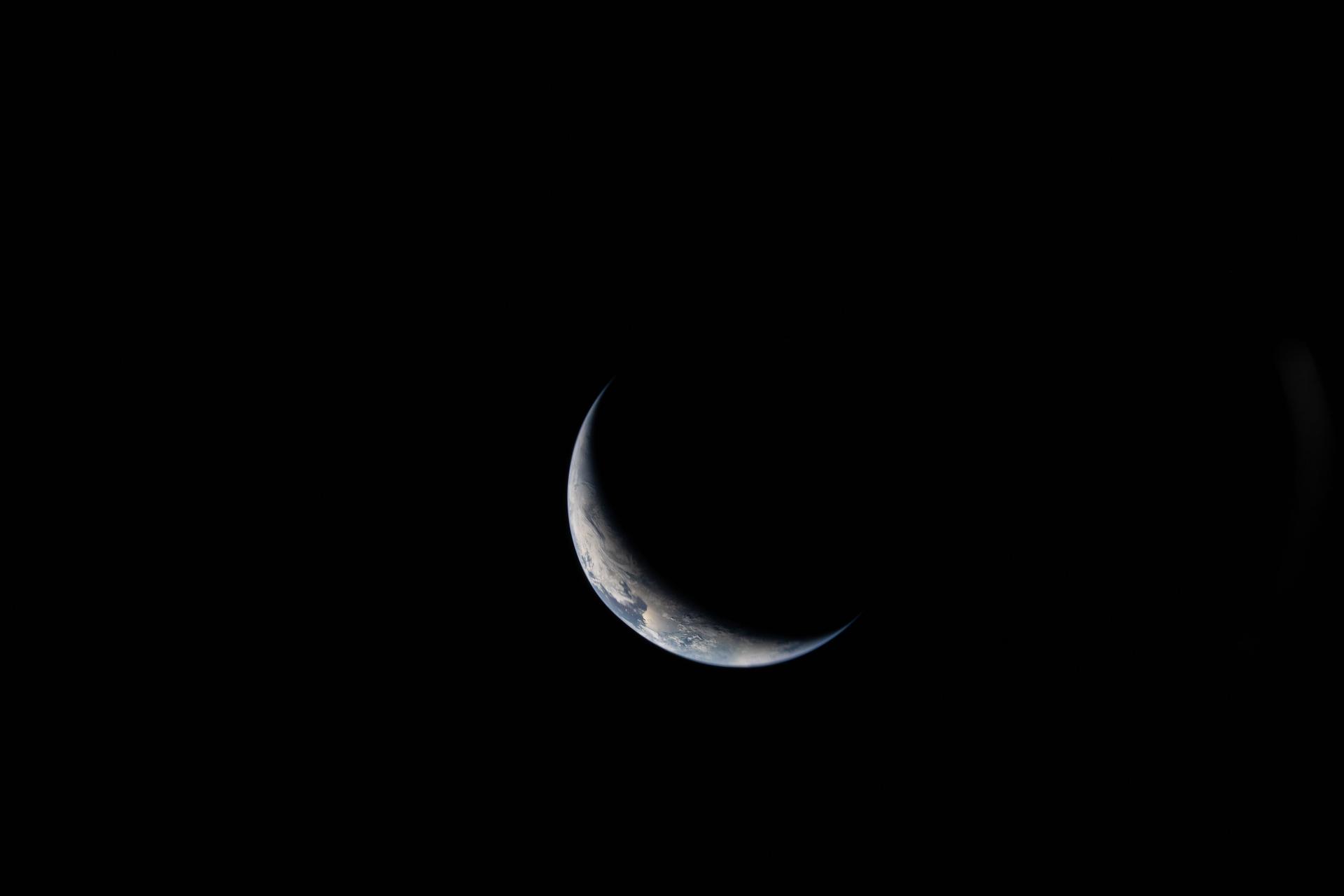
#* [https://www.nasa.gov/image-detail/amf-art002e004437/ Crescent Earth] | |||
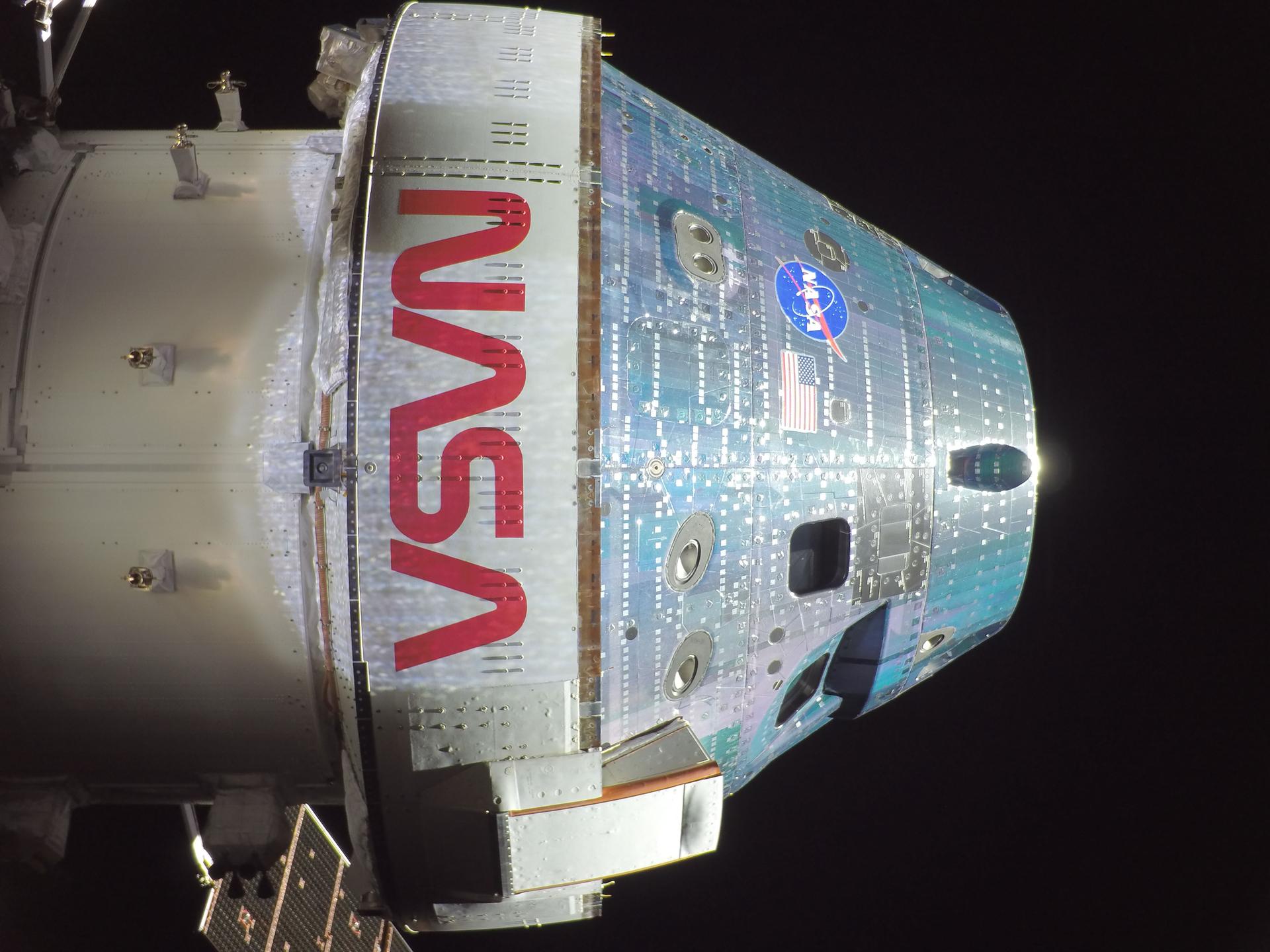
#* [https://www.nasa.gov/image-detail/amf-art002e004357/ Orion Snaps a Selfie During External Inspection] | |||
# Resolve the NASA assets collection endpoint to identify the highest-fidelity original file (`~orig.jpg`): | |||
#* <code>https://images-assets.nasa.gov/image/art002e004437/collection.json</code> | |||
#* <code>https://images-assets.nasa.gov/image/art002e004357/collection.json</code> | |||
# Download and inspect EXIF with ExifTool: | |||
#* <code>exiftool -Make -Model -ExposureTime -ShutterSpeedValue -FNumber -ISO -FocalLength -LensModel -DateTimeOriginal art002e004437~orig.jpg</code> | |||
#* <code>exiftool -Make -Model -ExposureTime -ShutterSpeedValue -FNumber -ISO -FocalLength -LensModel -DateTimeOriginal art002e004357~orig.jpg</code> | |||
=== Verified EXIF results === | |||
{| class="wikitable" | |||
! Image !! Original file verified !! Camera make/model !! Exposure details | |||
|- | |||
| Crescent Earth || <code>art002e004437~orig.jpg</code> || NIKON CORPORATION / NIKON D5 || 1/640 s, f/18.0, ISO 500, 150.0 mm, Lens: 80.0-400.0 mm f/4.5-5.6, DateTimeOriginal 2026:04:03 23:38:59 | |||
|- | |||
| Orion in flight (selfie) || <code>art002e004357~orig.jpg</code> || GoPro / HERO4 Black || 1/670 s, f/2.8, ISO 100, 3.0 mm, DateTimeOriginal 2026:04:03 12:48:33 | |||
|} | |||
Interpretation note: this does not by itself prove every claim, but it does satisfy a strong provenance check that the files are original camera-derived assets with coherent acquisition metadata rather than stripped social-media re-encodes. | |||
== Sources == | == Sources == | ||
<references /> | <references /> | ||
Revision as of 13:22, 6 April 2026
Artemis II (As of April 6, 2026)
Why this page exists
This page is a fact-first briefing for discussions with spaceflight skeptics, including flat-Earth and moon-landing denial audiences. It emphasizes claims that are independently verifiable from mission telemetry, international participation, and publicly published timelines.
Executive snapshot
- Artemis II is NASA's first crewed Artemis mission and first crewed lunar-vicinity mission since Apollo-era deep-space flights.[1]
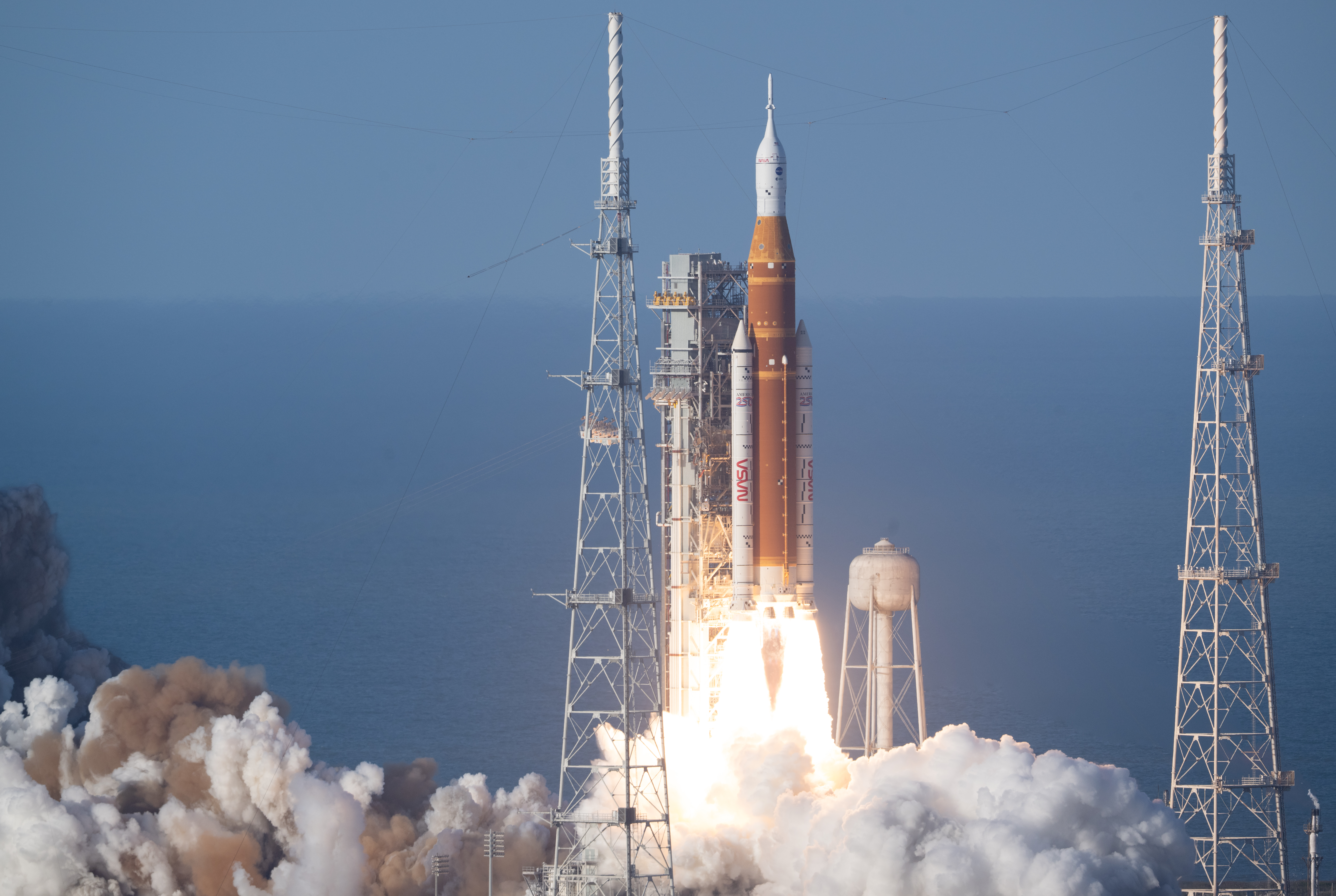
- NASA reports Artemis II launched from Kennedy Space Center, Launch Complex 39B, on April 1, 2026, at 6:35 p.m. EDT.[2]
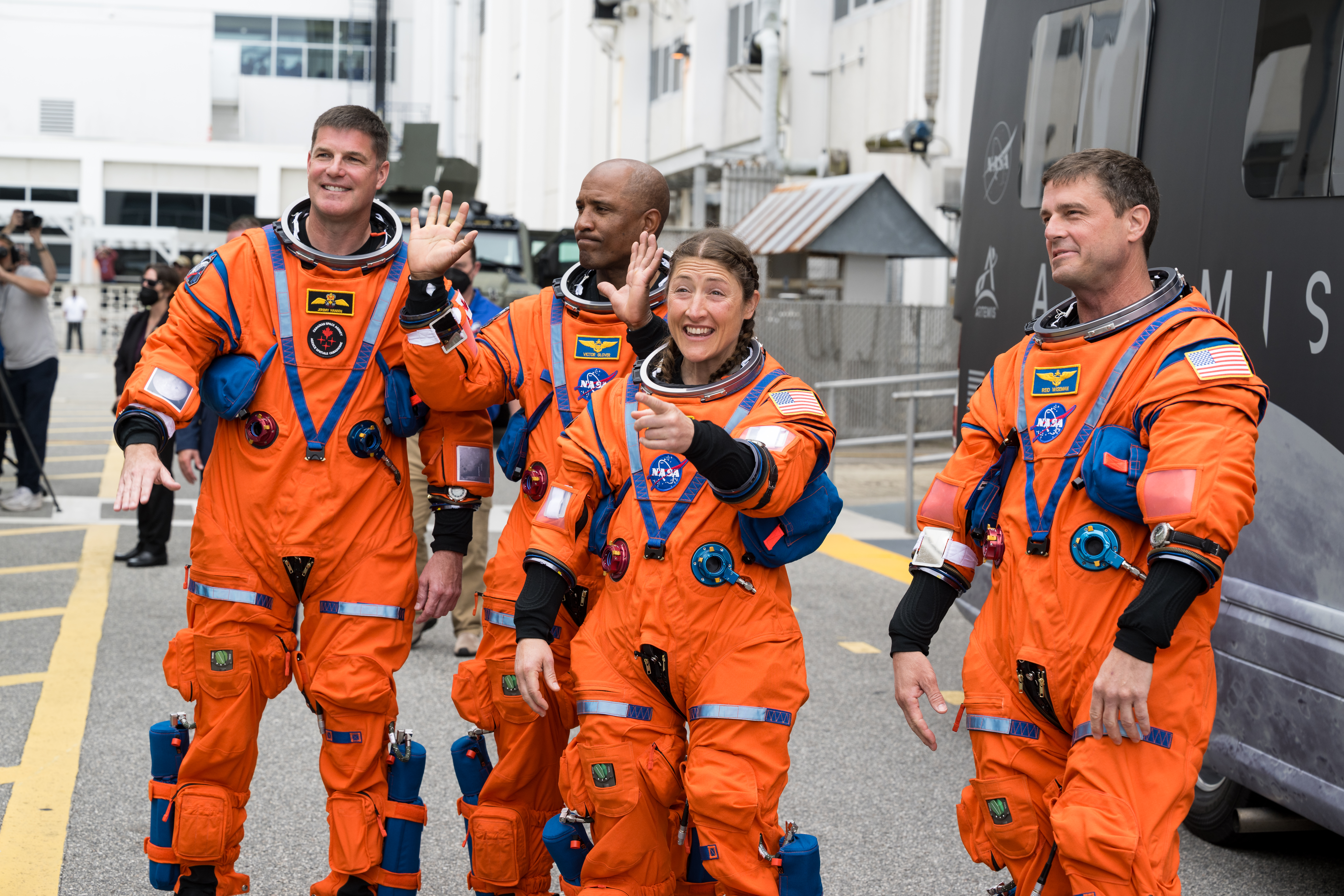
- Crew: Reid Wiseman (Commander), Victor Glover (Pilot), Christina Koch (Mission Specialist), Jeremy Hansen of the Canadian Space Agency (Mission Specialist).[1]
- Mission design is an approximately 10-day crewed lunar flyby and return using a free-return trajectory architecture.[1]
- NASA mission coverage schedule for April 6, 2026 includes lunar flyby operations and key trajectory milestones (lunar sphere-of-influence entry, closest approach timing window, comms blackout behind the Moon, re-acquisition).[3]
Official NASA imagery
The files below match the filenames in flerf_wiki/images/. After upload to your wiki, the same [[File:...]] lines will render; until then, open the local JPGs or use the NASA source links in Image source list.
-
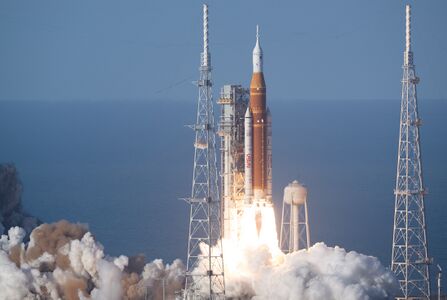 Launch. SLS and Orion lift off on Artemis II from Launch Complex 39B, April 1, 2026, 6:35 p.m. EDT. NASA/Joel Kowsky. NASA image page
 -
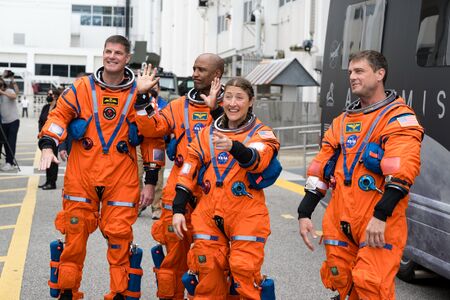 Crew walkout. Wiseman, Koch, Glover, and Hansen depart the Operations and Checkout Building for Launch Complex 39B, April 1, 2026. NASA/Aubrey Gemignani. NASA image page
 -
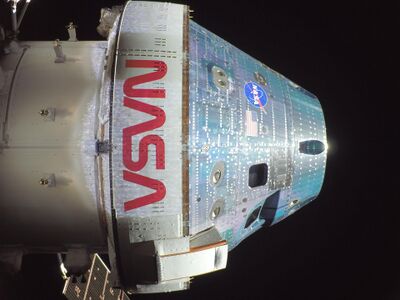 Orion in flight. High-resolution selfie from a camera on a solar array wing during external inspection, flight day 2. NASA/JSC. NASA image page
 -
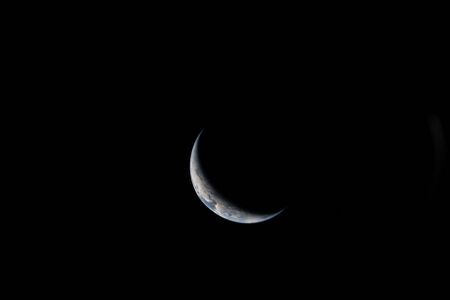 Crescent Earth. Sliver of Earth through an Orion window, flight day 3—shows illuminated limb geometry expected from cislunar vantage. NASA/JSC. NASA image page
More galleries and video: Artemis II multimedia.
Primary-source timeline (UTC-4 / EDT)
April 1, 2026 (Launch Day)


- 6:35 p.m. EDT liftoff stated by NASA.[2]
- Core stage main-engine cutoff and separation confirmed in NASA launch updates.[2]
- Orion solar array wings deployment confirmed post-launch in NASA updates.[2]
April 2, 2026 (Early mission orbit shaping)
- NASA reports perigee-raise burn complete and preparations for translunar injection burn.[4]
April 6, 2026 (Lunar flyby day per NASA mission schedule)
- NASA lists April 6 lunar flyby coverage and milestones, including:
- Orion enters lunar sphere of influence.
- Predicted far-side communication loss and reacquisition.
- Closest approach/maximum-distance timing windows.
Strong evidence points for denial-resistant discussion
1) Multi-party mission architecture (not one-organization-only)
Artemis II is not NASA-only in execution: crew includes a CSA astronaut, and Orion uses an ESA-built service module program element documented in NASA technical material.[1]
2) Continuous public operations stream
NASA published live launch and mission coverage plans plus recurring status briefings and downlinks through the mission window.[3] This creates a broad public record rather than a single post hoc claim.
3) Physics-constrained trajectory
Artemis II mission documentation describes a free-return trajectory (Earth-Moon gravity-assisted return geometry), a classic, testable orbital mechanics profile used for mission safety margins.[1]
4) Time-stamped event chain
Launch, staging, burns, comm windows, and flyby windows are published with specific times and expected operations, enabling independent cross-checking against tracking and observatory data.[2][3]
5) In-flight photography (geometry check)


Mission-released stills show Earth as a distant illuminated body and Orion hardware in vacuum lighting—consistent with orbital mechanics and inconsistent with “all space imagery is staged in a studio” without ad hoc excuses. Compare timing and captions to the Artemis II flight day highlights gallery.
Common denial claims vs evidence
Claim: "No one can verify this except NASA."
Evidence: International crew and partner hardware, plus globally visible mission operations windows and publicly announced event timing, increase independent observability and reduce single-source dependency.[1][3]
Claim: "A moon mission would require impossible fuel."
Evidence: Artemis II is not a lunar landing mission; it is a crewed flyby test using staged propulsion plus gravity-assisted free-return geometry specifically chosen for energy and safety efficiency.[1]
Claim: "If they went behind the Moon, communications should fail."
Evidence: NASA explicitly scheduled and communicated predicted temporary loss of signal during far-side passage, then reacquisition windows.[3] That behavior is expected from line-of-sight radio geometry.
Discussion guidance for public debates
- Lead with narrow, verifiable claims (date/time/crew/trajectory) before broad conclusions.
- Prefer primary sources over commentary videos.
- Ask skeptics to provide a physically consistent alternative model that predicts:
- launch and stage events,
- burn timing,
- comms blackout behind the Moon,
- and return window,
all together.
Limits and uncertainty notes
This page is a snapshot as of April 6, 2026. In-mission timings can shift due to operations, lighting geometry, navigation updates, and mission management decisions. Use NASA mission pages for latest official updates.[3]
Image source list
| Local filename | NASA page | Direct download used |
|---|---|---|
images/artemis_ii_launch_2026.jpg |
Artemis II Launch | JPG |
images/artemis_ii_crew_walkout_2026.jpg |
Artemis II Walkout | JPG |
images/artemis_ii_crescent_earth_orion.jpg |
Crescent Earth | JPG |
images/artemis_ii_orion_selfie.jpg |
Orion selfie | JPG |
NASA media are generally U.S. government works; confirm on each image page before commercial reuse.
Source quality verification process (original assets + EXIF)
To prioritize highest-quality original-source media, this page now uses a repeatable verification workflow:
- Start from NASA image-detail pages (human-readable provenance):
- Resolve the NASA assets collection endpoint to identify the highest-fidelity original file (`~orig.jpg`):
- Download and inspect EXIF with ExifTool:
exiftool -Make -Model -ExposureTime -ShutterSpeedValue -FNumber -ISO -FocalLength -LensModel -DateTimeOriginal art002e004437~orig.jpgexiftool -Make -Model -ExposureTime -ShutterSpeedValue -FNumber -ISO -FocalLength -LensModel -DateTimeOriginal art002e004357~orig.jpg
Verified EXIF results
| Image | Original file verified | Camera make/model | Exposure details |
|---|---|---|---|
| Crescent Earth | art002e004437~orig.jpg |
NIKON CORPORATION / NIKON D5 | 1/640 s, f/18.0, ISO 500, 150.0 mm, Lens: 80.0-400.0 mm f/4.5-5.6, DateTimeOriginal 2026:04:03 23:38:59 |
| Orion in flight (selfie) | art002e004357~orig.jpg |
GoPro / HERO4 Black | 1/670 s, f/2.8, ISO 100, 3.0 mm, DateTimeOriginal 2026:04:03 12:48:33 |
Interpretation note: this does not by itself prove every claim, but it does satisfy a strong provenance check that the files are original camera-derived assets with coherent acquisition metadata rather than stripped social-media re-encodes.
Sources
- ↑ 1.0 1.1 1.2 1.3 1.4 1.5 1.6 https://www.nasa.gov/artemis-ii-press-kit/
- ↑ 2.0 2.1 2.2 2.3 2.4 https://www.nasa.gov/blogs/missions/2026/04/01/live-artemis-ii-launch-day-updates/
- ↑ 3.0 3.1 3.2 3.3 3.4 3.5 3.6 https://www.nasa.gov/missions/artemis/artemis-2/nasa-sets-coverage-for-artemis-ii-moon-mission/
- ↑ https://www.nasa.gov/blogs/missions/2026/04/02/artemis-ii-flight-update-perigee-raise-burn-complete/